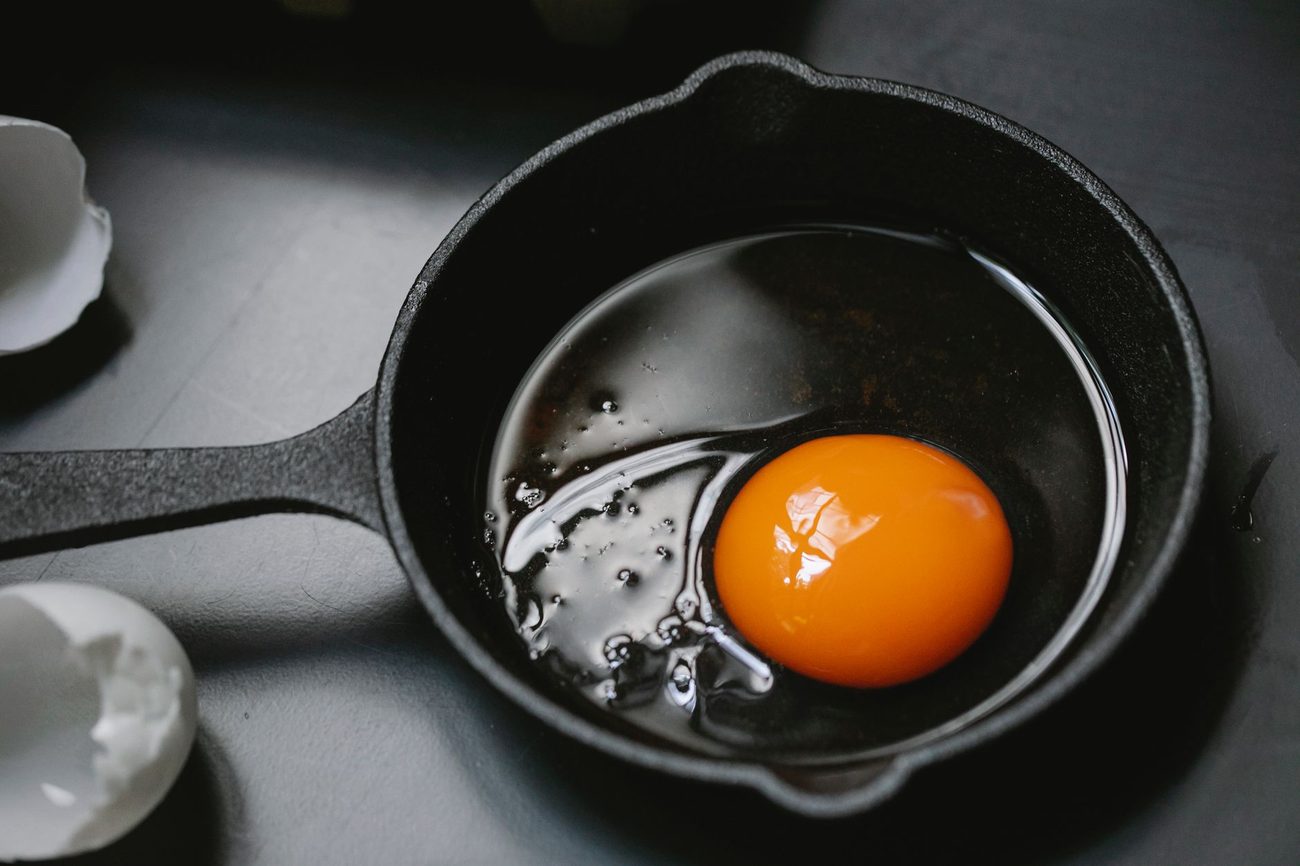
In 2009 I was nineteen, working the line at a Tex-Mex restaurant in Denton, and I spent $24 of a paycheck that was mostly spoken for on a 12-inch Lodge cast-iron skillet. I remember standing in the aisle doing math against everything else that check had to cover. Sixteen years later that skillet has outlasted three kitchens, most of a 12-piece nonstick set and every cooking trend I've ignored. It made part of dinner three nights last week.
Why a line cook buys a skillet
At the restaurant we cooked on a flattop and sent fajitas out on cast-iron platters that came off the heat still smoking. I loved how that iron held heat. When you drop cold meat into a thin pan, the temperature crashes and the meat steams. Cast iron doesn't care. I wanted that at home, and $24 was what I could do.
I didn't know anything about seasoning. One of the older cooks, Ramiro, who'd been on that line for twenty years, told me to cook bacon in it for a month and never let it sit wet. That's still most of what I know.
What it cooks now
I went back through a month of paper meal plans (they go in a folder after they come off the fridge) and counted. The skillet was part of 14 of our 20 planned dinners in March.
- Hamburger steaks with onion gravy. The crust on the patties is the whole point, and the gravy gets built in the same pan from what's stuck to the bottom.
- Cornbread for chili and beans. The skillet goes in the oven while it preheats with a spoonful of bacon grease, and the batter hits hot fat so the edges fry.
- Migas for dinner, tortilla strips first, then eggs.
- Searing chicken thighs before they finish in the oven.
- Eli's cheese quesadillas, which he would eat four nights a week if the vote were up to him.
- Warming tortillas for anything Tex-Mex, which is most things.
What it doesn't do: long tomato sauces. Our spaghetti meat sauce simmers for an hour, and acid that long dulls the seasoning, so it goes in the enameled Dutch oven. Delicate fish sticks unless I'm patient. And it's heavy, about eight pounds empty, which on our glass-top range means I lift it every time and never slide it. The cooktop came with the house, and I'd like it to stay unscratched.
It also stays hot a long time after the burner goes off, which matters with a toddler on a learning tower nearby. A folded towel goes over the handle the second it leaves the burner. On the line you called out "hot handle" so nobody grabbed it bare. At home I just keep the towel there and Rosie's hands busy with a wooden spoon.
How I keep it going
Most nights it gets the same routine, and it takes about three minutes:
- Scrape it out while it's still warm.
- Rinse under hot water and scrub with a brush or a chain-mail scrubber. A drop of dish soap is fine. (Ramiro would disagree.)
- Dry it with a towel, then set it on a burner on medium for a couple of minutes until every bit of water is gone.
- Wipe in a few drops of vegetable oil with a paper towel, then keep wiping until it looks almost dry. Too much oil turns sticky.
Clean as you go is the one kitchen rule I'm strict about, and this skillet is where the habit started.
The one real disaster was in 2015, when Wyatt was a few weeks old and I wasn't sleeping. I left the skillet soaking in the sink overnight. By morning it had orange rust spots across the bottom. I scrubbed it to gray metal with steel wool, rubbed in a thin coat of oil and baked it upside down at 450°F for an hour, three times over two days. It came back. It always comes back, which is the best thing I can say about any piece of kitchen equipment.
Sixteen years, $24
The bookkeeper in me has to point it out: $24 over sixteen years is $1.50 a year. The nonstick set we started married life with is down to its last couple of pieces, and when those wear out I'll replace them with stainless. I have nothing against nonstick. I just got tired of buying it again.
Last week Wyatt, who is nine, asked if he gets the skillet when I'm old. I told him whoever learns to dry it properly gets it. He dried it that night without being asked. Eli asked if he could have the toaster.