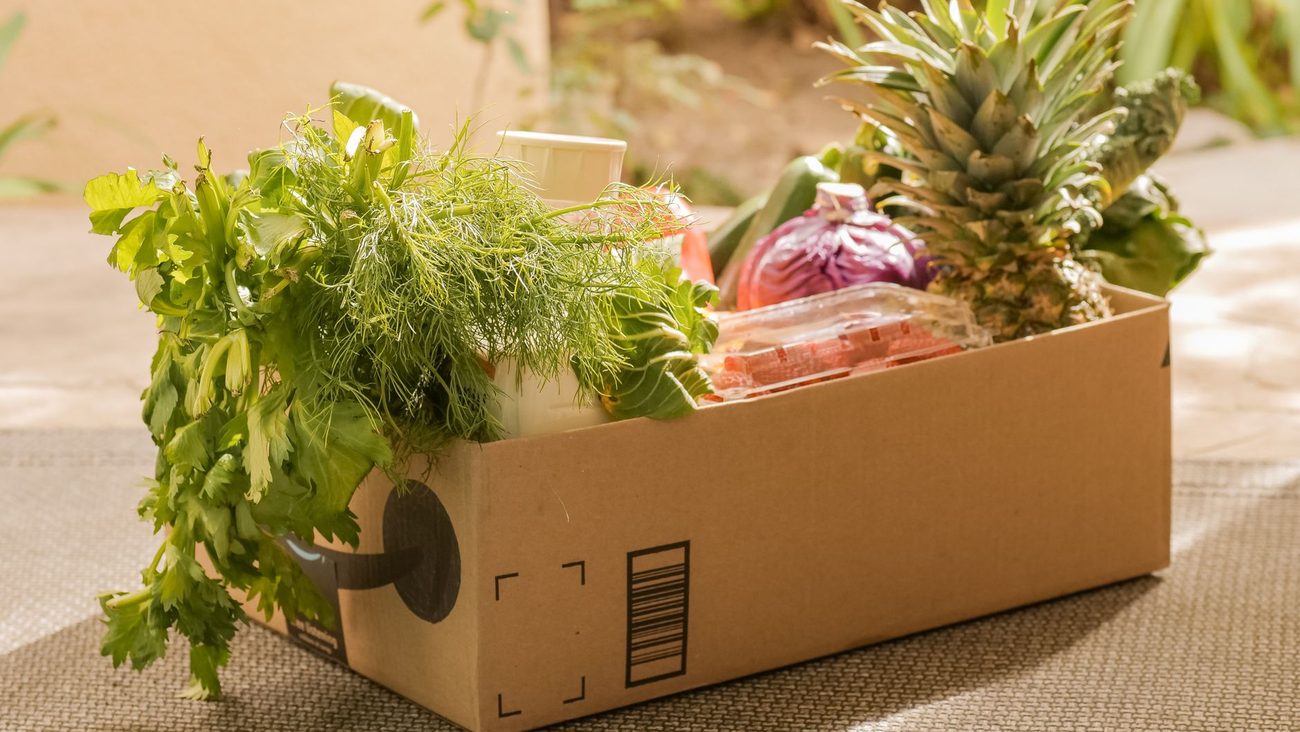
One of the drivers who brings our Walmart orders knows Biscuit's name now. Biscuit, for his part, has decided the doorbell on a Wednesday afternoon means a friend, and he only barks twice instead of eleven times. That's one of several small signs that the Walmart+ free trial we started on August 8 turned into a habit. On Sunday, September 7, it rolled over to $12.95 a month, and we let it.
What we order
I didn't move our main grocery shopping to Walmart. Aldi on Monday mornings is still the backbone, and Kroger pickup covers the midweek gaps. Walmart delivery is for the heavy, bulky and boring things I used to haul across a parking lot in 100-degree heat:
- Paper towels, toilet paper, trash bags and laundry detergent
- Extra milk midweek, since we go through about three gallons a week
- Cases of water for the Friday football cooler
- Lunchbox snacks in sizes Aldi doesn't carry
- Canned tomatoes, flour, sugar and rice when the pantry runs low
- Biscuit's 40-pound bag of dog food, which goes on the pet line of the spreadsheet, not the grocery line
In the trial month we had five deliveries. Since school started it has settled at about one a week, and I expect it to land around three a month once the back-to-school restock is behind us. Every order has been over $35, which is the cutoff for free delivery with the membership, so we've paid $0 in delivery fees.
Tips, substitutions and the small stuff
I tip about $6 per delivery, a little more for the dog food or a case of water carried up the driveway on a 104-degree afternoon. Over the trial month that came to $32. Tips are the part of delivery that's easy to leave out when you're adding up whether it's worth it, so they go in the spreadsheet right next to the order total.
Substitutions have been rare, and the app lets me approve or refuse them before the order leaves the store. The one I missed was in the very first order, the Goldfish mix-up from the week school started. Now I turn off substitutions on anything Eli eats. One loaf of bread arrived flattened, and the refund came through in about a minute.
On a dozen items I spot-checked, the app prices matched the shelf at our Neighborhood Market. That's the opposite of what I found ordering Aldi through Instacart, where the app ran about 17 percent over the shelf before fees. It's the main reason this trial survived and that one didn't.
The money, so far
Here's the math for a normal month:
- Membership: $12.95
- Tips at three or four orders: about $20 to $24
- Delivery fees: $0
- Fuel discount: about $1.10 saved at the pump so far, which is not nothing and not much
So delivery costs us roughly $33 to $37 a month. On the other side, I estimate we're spending $25 to $35 a month less on impulse buys, the end-cap cookies and the "since I'm here" items that jump into the cart when I walk a store with three kids. That estimate comes from comparing August's receipts with what I usually spend at the Neighborhood Market, and it's an estimate, not a fact.
On money alone, that's about a wash. The real return is time. No loading and unloading in the heat, no dragging Rosie through a second store in one week, no 40-pound bag on my hip. I'd guess it saves me about an hour and a half a week, which is an hour and a half I've mostly spent on lunches and laundry, but still. There's also a streaming perk that comes with the membership. We've used it once.
Our math, not a verdict
This is how it works out with our stores, our schedule and our kids. A family with a Walmart closer than ours, a family that enjoys the shopping, or one that doesn't mind loading a cart in August could land somewhere completely different, and that would be just as reasonable.
There's an annual price that works out cheaper than paying monthly, but I want a few more months of receipts before I commit to a year. The next order goes in tonight: paper towels, dog food and Goldfish. The plain kind. I checked.